Buying a Rental Property in Utah: Underwrite Before You Buy
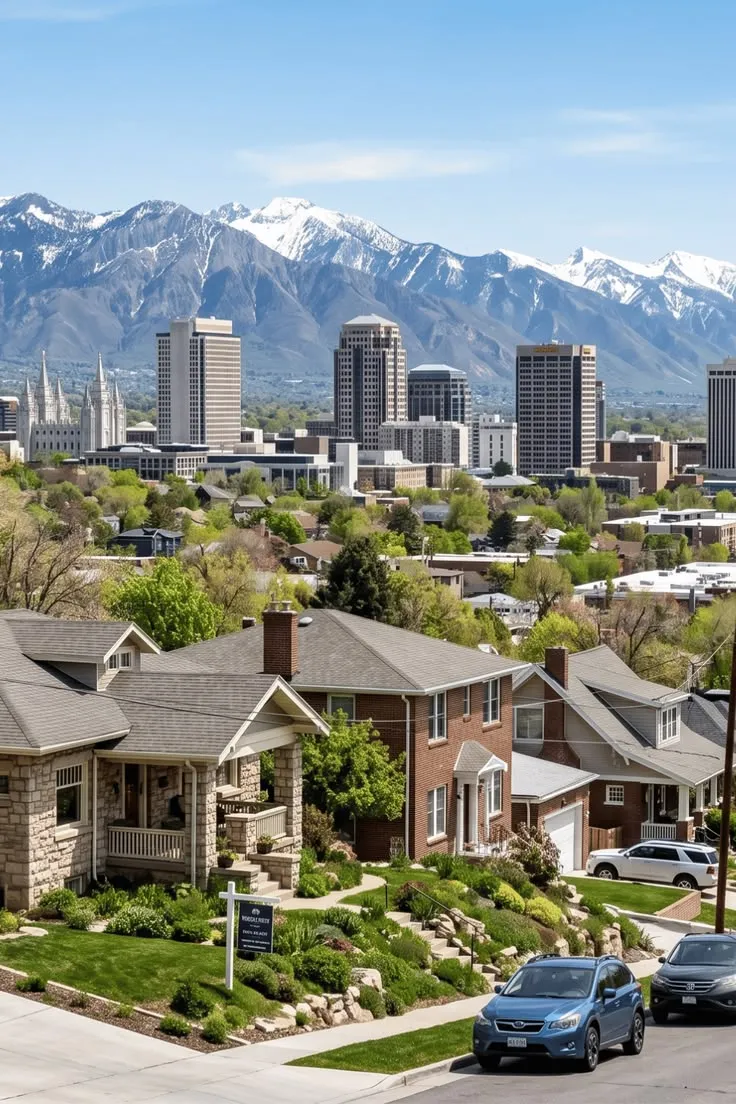
Utah rental deals rarely fall apart at closing. They fall apart in the spreadsheet nobody built. There is real demand behind this state, from a Salt Lake City metro that landed at No. 18 on a 2025 list of fastest-growing U.S. metro areas to college markets like Orem and Provo where universities keep a steady flow of renters through the system. None of that tells you whether a specific property in Davis County covers its mortgage. Only underwriting does.
Underwriting is the part of buying a rental property in Utah that happens before you write an offer. It is a set of numbers you can defend line by line: rent comps, vacancy, operating expenses, debt service, cap rate, and cash-on-cash return. Get them right and the deal is boring in the best way. Get them wrong and you own a monthly bill with a lawn.
Start With the Deal, Not the Listing
Most investors shop listings first and invent a strategy afterward. Reverse the order. Decide the return you need, the cash you can actually deploy, and the risk you can absorb. Then go hunting for properties that might clear those marks. A property that fails your screen is not a deal, no matter how good the photos look or how convincing the listing agent sounds.
Where Utah Rental Deal Flow Actually Comes From
On-market listings are the most competitive channel in the state. Inventory that reaches the public feed is priced for owner-occupants who will pay a premium for emotion, and investors bidding against that group usually lose on returns before they ever tour. Consistent deal flow comes from agent relationships, direct outreach, and staying close to a market long enough that opportunities find you first. That is a slower channel. It is also the one that produces numbers worth underwriting.
A Screen That Saves You Time
A rough rent range from a comp pull, not from the listing description.
A rough expense load that includes taxes, insurance, maintenance, and management.
A mortgage payment built on terms your lender has actually quoted you.
A minimum monthly cash flow number you refuse to go below.
An honest read on condition and near-term capital expenditures.
A realistic exit assumption, because you will not hold forever.
Rent Comps: The Number Most Investors Get Wrong
Rent comps are the foundation of the entire model. Overstate rent by $150 a month and every metric downstream improves artificially. The cap rate looks better. The cash-on-cash looks better. The stress test stops stressing. You have not improved the deal, you have improved the fantasy.
How to Build a Defensible Rent Comp Set
Match property type and bedroom count. A three-bedroom house is not a comp for a two-bedroom unit.
Stay within a tight radius, because rent is a block-by-block number.
Use leases signed recently, not asking rents from six months ago.
Adjust for condition and amenities. Updated kitchens and included utilities move rent.
Account for concessions. A free month spread over a twelve-month term changes the effective rent.
Pull enough comps to see a range, then underwrite to the middle or below it.
County-Level Rent Reality
Rent drivers are not identical across the state. In Utah County, college towns like Orem and Provo support renter demand tied to academic calendars, and Saratoga Springs led Utah population growth in the mid-2024 to mid-2025 sub-county estimates, which means the rental supply picture in growth corridors may look different from the rent roll assumptions you imported from somewhere else. In Summit County, the Park City resort and second-home market produces a renter and buyer profile that behaves nothing like a suburban Salt Lake County rental. Treat every county as its own underwriting exercise.

Vacancy Risk Is an Expense, Not a Surprise
Vacancy is not a random event that happens to unlucky landlords. It is a line item you budget, and if you leave it out you are not underwriting, you are hoping. A vacancy allowance covers the empty months. Turnover cost covers everything around them: paint, cleaning, small repairs, leasing effort, and the days of downtime between tenants. Investors who track this consistently find that the gap between advertised rent and collected rent is where thin deals die.
Operating expenses deserve the same honesty. Rental property ownership costs include the mortgage payment, maintenance, property taxes, and insurance, and every one of those varies by property, county, and condition. Add HOA dues, any utilities you cover, and management if you are not self-managing. Estimate from actual quotes and local tax figures, not from a national rule of thumb applied blindly.
Cap Rate and Cash-on-Cash Answer Different Questions
These two metrics get used interchangeably and they should not be. Cap rate tells you how the property performs as an asset independent of how you financed it. Cash-on-cash tells you how your specific capital performs after debt. One can look healthy while the other is quietly bleeding.
Metric | Formula | What it answers | Where it misleads |
|---|---|---|---|
Cap rate | Net operating income divided by purchase price | Property-level yield before financing | Ignores how the deal is leveraged and what debt costs |
Cash-on-cash return | Annual pre-tax cash flow divided by total cash invested | Return on the money you actually put in | Hides a weak asset behind a large down payment, or exposes a strong one held with heavy debt |
What Price Actually Makes the Deal Work?
A property can be a bad investment at the asking price and worth considering at a different price. The goal of underwriting is to identify that difference before your money is committed.
Here’s a hypothetical example using the same property, rent, and operating expenses at two purchase prices. These figures illustrate the process and are not current market quotes.
Annual figures | At asking price | At a lower purchase price |
|---|---|---|
Purchase price | $450,000 | $250,000 |
Down payment, assuming 20% | $90,000 | $50,000 |
Gross rental income | $32,400 | $32,400 |
Vacancy allowance, 5% | −$1,620 | −$1,620 |
Operating expenses | −$12,312 | −$12,312 |
Net operating income | $18,468 | $18,468 |
Mortgage principal and interest | −$28,800 | −$16,000 |
Monthly cash flow before capital reserves and income taxes | −$861 | $206 |
For illustration, both financing scenarios assume the same interest rate, loan term, and 20% down payment. Operating expenses include property taxes and insurance. Closing costs, initial repairs, and capital reserves require additional cash and further analysis.
If the investor’s initial target is $200 per month before capital reserves and income taxes, the $450,000 asking price misses it substantially. A price around $250,000 meets that initial screen, but still needs a closer review of condition, reserves, and financing.
That does not mean the seller will accept $250,000. It means the investor knows where the numbers work under these assumptions. If the seller’s expectations and the investor’s requirements do not overlap, it may be time to move on.
At MW Realty Group, we help buyers evaluate those assumptions and build an offer around their investment goals. Send us the property you’re considering, and we’ll help you assess whether the numbers support the price.
Financing Assumptions Change the Answer
Borrowers usually need to secure at least a 20% down payment for a rental property mortgage, and a credit score of 620 or higher is generally the minimum required to secure a loan for an investment property in Utah, though some lenders may hold different standards. Those are starting points, not guarantees. A rate adjustment, a stricter reserve requirement, or a different loan program can move cash-on-cash more than a small change in purchase price. Get a real quote before you finalize the model, and underwrite the payment your lender confirms, not the one you hoped for.

County-by-County Underwriting Nuance
County | What shapes the underwriting | What you must verify yourself |
|---|---|---|
Salt Lake | Salt Lake City is a major economic hub, and its metro ranked No. 18 on a 2025 list of fastest-growing U.S. metro areas. Deep renter pool, heavy competition for deals. | Submarket rent comps block by block. Price per unit swings widely across the valley. |
Utah | College towns like Orem and Provo generate renter demand tied to enrollment, and Saratoga Springs led state population growth in the mid-2024 to mid-2025 estimates. | Lease-up timing against the academic calendar, and whether rental supply in growth corridors has kept pace with demand. |
Summit | The Park City resort and second-home market creates a buyer and renter profile that does not behave like a suburban rental. | Your own finances and financing options first, then short-term versus long-term rental rules with the city or county. |
Davis | Treat every assumption as unproven until your own research replaces it. | Local rent comps and an actual insurance and tax quote. Do not import Salt Lake County assumptions. |
Weber | Same discipline as Davis. A cheap entry price is not the same thing as a good return. | Rent comps, expense load, and condition risk, all pulled locally and dated recently. |
Washington | Southern Utah rental ownership is often pitched around the income the property produces, so the rent line carries the deal. | Seasonality in the renter pool and an insurance quote specific to the property. |
What to Verify Before You Write the Offer
Signed lease comps that support the rent in your model, not asking prices.
A vacancy and turnover allowance pulled from local data rather than optimism.
Property tax and insurance figures for this specific parcel and structure.
A maintenance and capital reserve line sized to the age and condition of the building.
A lender quote in writing, including rate, points, reserves, and down payment.
The break-even version of the deal, so you know exactly where your ceiling sits.

When the Numbers Say No
Some deals do not work at the seller's price. That is information, not failure. Investors across Utah have been openly asking each other for years whether anything still cash flows here, and the honest answer is that it depends entirely on the price paid, the rent supported by comps, the expense load, and the financing. A property that clears your threshold at one price and fails at another is a negotiation, not a rejection. Walk into that conversation with the model printed and the assumptions visible. Sellers argue with opinions. They have a harder time arguing with arithmetic.
If you want a second set of eyes on the spreadsheet before you commit, that is exactly the conversation we have. Bring the address, the rent comps you have, and your lender's quote, and we will pressure-test the cap rate, the cash-on-cash, and the county-level assumptions behind both. Book a strategy call with MW Realty Group and we will underwrite the deal with you before you sign anything.
Frequently Asked Questions
What credit score do I need to buy a rental property in Utah?
A credit score of 620 or higher is generally the minimum required to secure a loan for an investment property in Utah, though some lenders may maintain different standards. Ask your lender for the specific guideline that applies to your loan program, and confirm it in writing before you build a financing assumption into your underwriting model.
Is a 20% down payment required for a rental property in Utah?
Borrowers usually need to secure at least a 20% down payment for a rental property mortgage. On a $100,000 purchase that is $20,000 into the deal before closing costs. Some loan programs and lenders differ, so verify the exact requirement and any reserve rules with your lender rather than assuming the conventional figure applies to you.
Are Utah rental properties still cash flowing?
Investors have been publicly asking that question for years, and there is no single statewide answer. Cash flow depends on the price you pay, the rent your comps actually support, the operating expense load, and how the deal is financed. Many properties cash flow at one basis and fail at another. Underwrite each deal on its own numbers.
How do I estimate vacancy for a Utah rental?
There is no universal vacancy figure worth copying. Build your allowance from local turnover patterns, average days on market for rentals, and seasonality in your specific submarket, including academic calendars in college markets and resort seasonality in Summit County. Then stress-test with a harsher assumption than your baseline to see whether the deal still survives.
Do Park City vacation rentals underwrite differently?
Yes. The Park City market attracts second-home buyers and resort-driven renters, so demand, seasonality, and expense loads behave differently than in a suburban rental. A guide to buying a Park City vacation property stresses evaluating your own finances and financing options before making purchase decisions, and confirming local rental rules with the city or county.
Know the Numbers Before You Buy
Considering a rental property in Utah? Bring the property address, rent estimates, and your lender’s quote. MW Realty Group will help you review the assumptions, expenses, and potential cash flow so you can make a more informed offer.
