
How to Sell a House in Utah: Step-by-Step Guide

Selling a house in Utah is not a listing problem. It is a strategy problem. The sellers who walk away with the strongest net proceeds are rarely the ones who simply picked the highest number and hoped the market would agree. They are the ones who defined an outcome first, priced to the data, prepared the asset, and negotiated on terms instead of emotion.
This guide walks the process in order, from the first decision through closing. It covers agent listings, for-sale-by-owner routes, and cash offers, because the right path depends entirely on what you need the sale to accomplish.
Step 1: Define What Your Sale Needs to Accomplish
Before price, before paint, define the job. A sale that needs to produce maximum net proceeds is a different project than a sale that needs to close by a specific date. Write down your answers to five questions and keep them visible for the rest of the process.
What net proceeds number makes this sale a success?
What is the hard deadline, if any, and what happens if you miss it?
How much certainty do you need versus how much upside are you willing to chase?
How much work can you realistically put into preparation?
Are you willing to carry the home through a longer marketing period if it produces a better number?
Those answers dictate everything downstream. A seller who needs speed should not run the same playbook as a seller who can wait for the right buyer.
Step 2: Price With Numbers, Not the Neighbor's Rumor
Your asking price should reflect recent comparable sales, the homes buyers can choose from today, and the outcome you need to achieve. Closed sales provide evidence of what buyers have paid. Active listings show your current competition, while pending activity can help reveal where buyers are responding, even when final sale prices are not yet available.
At MW Realty Group, we evaluate those properties alongside your home’s condition, layout, updates, lot, and location to recommend a pricing strategy. The goal is to position your home competitively while keeping your timeline and estimated net proceeds in view.
Leaving room to negotiate can sound appealing, but buyers may skip a home they believe is overpriced instead of making an offer. Waiting longer does not automatically produce a higher price, either. We monitor showing activity, feedback, and competing listings so adjustments are based on evidence rather than hope.
Step 3: Prepare the Property Around Return
Preparing your house for sale is the first item on most by-owner checklists, and it is the right place to start spending. The discipline is spending where money comes back.
Start with cleaning, decluttering, curb appeal, and visible maintenance issues that could distract buyers or raise concerns about the home’s condition. Evaluate known repair needs early so you can decide what to address before listing and what to account for in your pricing and disclosures. Before committing to a major renovation, compare its likely benefit with the cost, time, and disruption. The goal is to prepare the home strategically without spending money buyers may not give back.
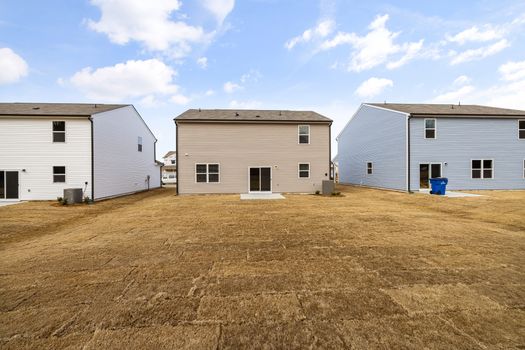
Photography should showcase the preparation you have already done. Professional photos, thoughtful presentation, and accurate listing details help buyers understand the home and decide whether to schedule a showing. Complete the work that matters before the camera arrives so your listing makes a strong first impression.
Step 4: Choose the Selling Channel That Fits Your Goals
How you sell should depend on what you need the sale to accomplish. Listing with an agent puts pricing, marketing, showings, and negotiation into a coordinated plan designed to attract buyers and protect your interests. Selling by owner means taking responsibility for those tasks yourself and coordinating the contract, deadlines, and closing process with the appropriate professionals. A direct cash offer may reduce preparation and showings, but you still need to evaluate the price, fees, contingencies, and buyer’s ability to close. Cash alone does not guarantee certainty. We help you compare your options based on estimated net proceeds, timing, workload, and risk so you can choose the approach that makes sense for your situation.
Step 5: Get Disclosures and Title Work Right
Utah transactions run on paperwork, and disclosures are a standard part of the process. Sellers should expect to document what they know about the property and its condition, and to do it completely and honestly.
Title work is handled separately. The standard approach is to hire a title company to perform a title search and file the required paperwork with government offices. If your transaction needs an attorney, the title company will typically let you know. Confirm the specific documents your transaction requires with your title company or a licensed Utah attorney, since requirements can vary by property and deal structure.
Step 6: Market and Show the Home
Marketing is where a priced-right home converts into offers. That means complete and accurate listing information, strong photography, and a showing process that does not waste a buyer's time or yours.
Showings and open houses generate opportunities and feedback. If traffic is low, review the price, photos, marketing reach, and how easy the home is to tour. If buyers are visiting but offers are not coming in, look for patterns in their feedback about condition, layout, and value compared with competing homes. No single signal tells the whole story.
Step 7: Negotiate the Offer, Not the Emotion
The highest offer is not automatically the best offer. Price is one line in a contract that also includes financing type, contingencies, inspection periods, repair requests, appraisal risk, closing date, and possession terms.
An offer with a strong price and a shaky financing position can cost you more than a slightly lower offer that closes cleanly. Evaluate each offer on three axes: the net proceeds it produces, the probability it actually closes, and the timeline it creates. Then negotiate the terms that matter most to your Step 1 outcome.
During inspections and appraisal, stay in problem-solving mode. Repair requests are negotiation, not personal criticism. Decide in advance which repairs you will address, which you will credit, and which you will decline, and hold that line.

Step 8: Understand Closing Costs and Net Proceeds
What you sell for and what you walk away with are two different numbers. Your net proceeds depend on your mortgage payoff, negotiated agent compensation, title and escrow fees, prorated property taxes, and any buyer concessions or repair credits you agree to. Preparation and moving expenses also affect your overall budget. Before you list, our team can help you build an estimated seller net sheet so you understand how different sale prices and terms could affect what you keep. Start with your actual numbers, then update the estimate as offers come in.
Build your own estimate line by line: payoff balance, agent compensation if applicable, title and escrow fees, prorated property taxes, any repair credits, and your closing date. Verify each figure with your title company and lender rather than assuming a percentage applies cleanly to you.
Step 9: Close and Hand Over the Keys
Closing is documentation and disbursement. You sign, the buyer's funds move, the title company records the transfer, and the property changes hands. Before closing day, confirm your final numbers in writing, confirm the possession date, and confirm what you are leaving behind and what you are taking.
Why County-Level Strategy Matters
Utah is not one market. Salt Lake, Summit, Davis, Weber, Utah, and Washington counties each carry their own buyer pool, price band, and absorption pattern. A pricing and marketing strategy that works in one county can be the wrong playbook twenty minutes away. Strategy has to be local, and it has to be built from the data in front of you.

Common Ways Utah Sellers Leave Money Behind
Pricing to a neighbor's asking price instead of closed sales data.
Skipping preparation because the market feels strong.
Choosing an offer on price alone without weighing closing probability.
Treating inspection requests as a fight instead of a negotiation.
Never modeling net proceeds before signing.
Build Your Strategy With MW Realty Group
Knowing the steps is helpful. Knowing how to apply them to your property, finances, and next move is where a selling strategy takes shape. At MW Realty Group, we start by understanding your goals, reviewing comparable sales and current competition, and estimating what different sale prices could leave you with after expenses and mortgage payoff.
From there, we help you prioritize preparation, build a pricing and marketing plan, and evaluate offers beyond the headline number. That includes buyer financing, concessions, contingencies, deadlines, and possession terms. As the sale progresses, we use market activity and buyer feedback to help you make informed decisions through negotiations and closing.
Whether you are ready to list or simply weighing your options, connect with our team to discuss your home’s position in today’s market and build a plan around what comes next.
Frequently Asked Questions
How much does it cost to sell a house in Utah?
One published analysis estimates total selling costs in Utah at roughly 12.58% of the sale price. That figure bundles typical categories like agent compensation, title and escrow fees, and closing-related expenses. Your actual number depends on your price, your contract, and your concessions. Model it line by line with your title company before you commit to a listing price.
Can I sell my house in Utah without a real estate agent?
Yes. Utah FSBO resources advertise free forms, step-by-step guidance, and access to a licensed real estate attorney, with no agent commission. The trade-off is workload. You handle pricing homework, photography, showings, and negotiation yourself. If you have time, local market knowledge, and comfort negotiating directly, the route is viable.
What paperwork is required to sell a home in Utah?
Sellers should expect property disclosures plus the standard purchase contract and closing documents. Title work is typically handled by a title company that performs a title search and files the required paperwork with government offices. If an attorney is needed for your transaction, the title company will generally let you know. Confirm your specific document list with them.
How fast can I sell my house for cash in Utah?
Cash offers are built for speed. One national cash buyer advertises that Utah sellers can request an offer, skip showings and repairs, pick a close date, and close in as few as 21 days. Local cash buyers advertise similar terms. Read the contract carefully, because convenience and speed usually show up somewhere in the offer price.
Is it better to list with an agent or accept a cash offer?
It depends on what you need the sale to do. An agent listing typically involves marketing, showings, open houses, and offer negotiation, which is aimed at maximum net proceeds. A cash offer trades price for speed and certainty. Run the net numbers on both paths before deciding.
Ready to Build Your Utah Home-Selling Strategy?
A successful sale starts with clarity about your price, timeline, preparation, expected proceeds, and next move. MW Realty Group can help you evaluate the property, review the local competition, map the selling process, and build a strategy around the outcome you want to achieve.
This article is provided for general educational purposes and does not constitute legal, tax, financial, appraisal, or individualized real estate advice. Real estate requirements, forms, fees, market conditions, and transaction procedures may change and vary by property and contract. Consult appropriately licensed real estate, legal, tax, lending, title, inspection, and appraisal professionals before making decisions.
